



HRV AND RECOVERY · RECOVERY AND HABITS
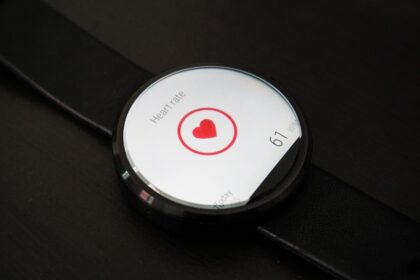
Your watch or ring greets you each morning with a recovery score, and one of its main ingredients is a number called HRV. It can be a useful signal, as long as you know what it can and cannot tell you.
Heart rate variability has moved from cardiology labs to wrists and nightstands in just a few years. Many people now check it before deciding whether to train hard, take it easy or rest. This guide explains what heart rate variability measures, why it moves up and down, how much to trust a consumer device, what research says about using it to guide training, and which daily habits support the systems behind the number.
What heart rate variability measures
Even at rest, your heart does not beat like a metronome. The time between beats shifts slightly, usually by a fraction of a second, and heart rate variability is the measure of that shifting, as Cleveland Clinic explains. Those small variations are controlled by your autonomic nervous system, the part that runs without conscious effort.
That system has two branches. The sympathetic branch drives the fight-or-flight response, speeding things up when you face a challenge. The parasympathetic branch, which Harvard Health links to the relaxation response, slows the heart and lowers blood pressure afterward. When the relaxing branch has plenty of influence, the gaps between beats tend to vary more. HRV is therefore a rough window into how much your body is in recovery mode versus coping mode.
What high and low readings can mean
In general, a higher HRV suggests your body adapts easily to change. A lower HRV is more common in people with diabetes, high blood pressure, asthma and abnormal heart rhythms, and it can be associated with heart conditions and with anxiety or depression, according to Cleveland Clinic. Poor sleep and stress can push HRV down, and over the long run it tends to decline with age and to be lower with a higher body mass index.
Two cautions keep this in perspective. First, HRV varies widely from person to person, so comparing your number with a friend’s, or with an online chart, tells you little. Second, the clinical reference ranges you may see quoted are based on a specific measurement taken over a full 24 hours, which is not the same as the overnight or morning snapshot most wearables report. Cleveland Clinic advises having a health care provider interpret HRV results. For your own tracking, the comparison that matters is you against your usual baseline.
How accurate is your wearable?
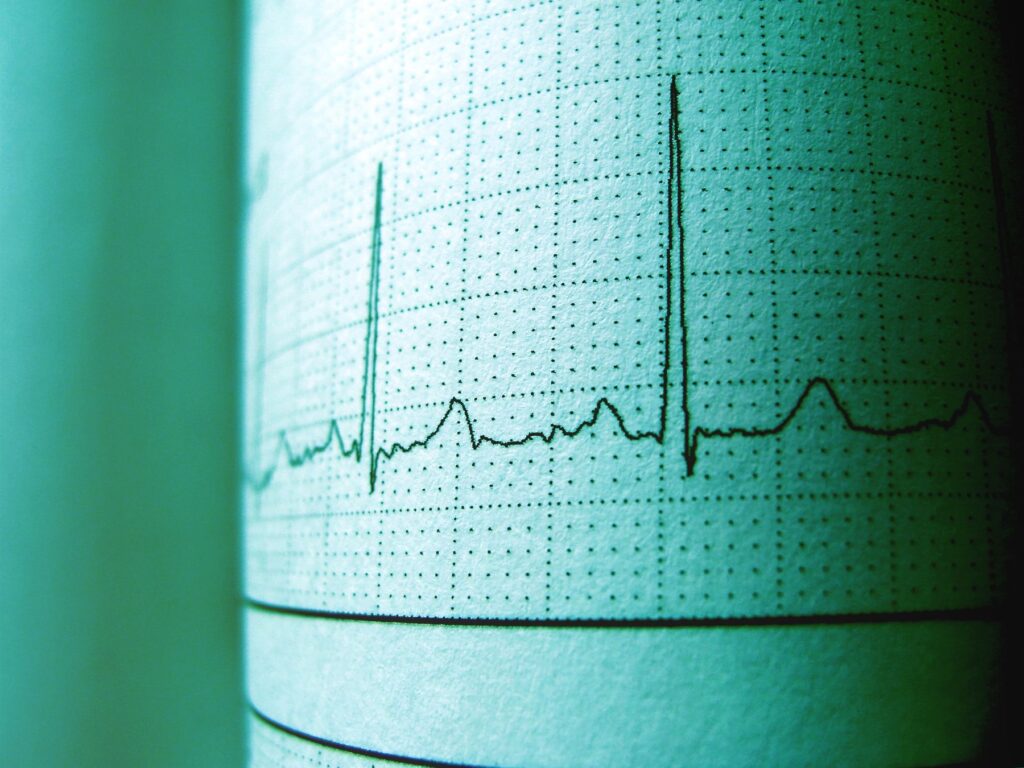
The gold standard for HRV is an electrocardiogram, which records the heart’s electrical activity directly. Consumer devices estimate it instead, with varying success. Harvard Health notes that the accuracy of apps and wearables is still under scrutiny and that chest-strap monitors are more accurate than wrist devices. Cleveland Clinic goes further, cautioning that most wrist-worn trackers are not sensitive enough to measure HRV accurately.
That does not make your device useless; it means you should use it for trends rather than precise values. A few habits make the trend more trustworthy:
- Measure at the same time and in the same conditions, such as overnight or right after waking, before coffee.
- Wear the device consistently, snug and in the same position.
- Focus on your weekly average and your personal range, not a single morning.
- Give a new device a few weeks to establish your baseline before acting on it.
If you are still deciding how much to rely on gadgets at all, our guide to making a fitness tracker work for you covers which metrics tend to be most useful.
Can heart rate variability guide your training?
Researchers have tested the idea directly, comparing endurance programs adjusted day to day by HRV with programs fixed in advance. A 2021 systematic review and meta-analysis in the Journal of Science and Medicine in Sport, covering 8 studies and 198 participants who used wearable technology, found that HRV-guided training had a medium-sized positive effect on submaximal physiological measures. Its effects on performance and on peak aerobic capacity were small and not statistically significant. HRV-guided training was, however, associated with fewer people who failed to improve.
That is a fair summary of HRV’s value for most of us: not a performance secret, but a reasonable nudge toward training hard when you are ready and backing off when you are not. Use it as one input alongside how you slept, how your muscles feel, your mood and your schedule.
You do not need a device to practice this kind of listening. Before each workout, rate your sleep, energy and muscle soreness from 1 to 5 and jot the scores in your training log. Over a few weeks, the pattern often tells you as much as a wearable would, and it costs nothing. If your scores and your planned session clash, adjust the session rather than your expectations.
| Your HRV trend | How you feel | A sensible response |
|---|---|---|
| Within your usual range | Fresh and rested | Train as planned |
| Low for one morning | Fine | Train, but notice whether it rebounds tomorrow |
| Below your range for several days | Tired, sore or sleeping poorly | Swap hard sessions for easy movement and protect sleep |
| Normal or high | Run down or unwell | Trust how you feel and ease off |
| Drifting lower over weeks | Flat, stressed or unmotivated | Review sleep, stress and training load, and talk with your doctor if it persists |
A low reading is also a reminder that recovery is not only about workouts. Work deadlines, family worries and a poor night all draw from the same account, which is why our guide to stress and workout recovery treats life stress and training stress as one load.
Habits that support a healthier HRV
You cannot force HRV upward the way you can add weight to a bar, but you can support the systems it reflects. Cleveland Clinic lists regular physical activity, healthy eating, stress management, treatment for anxiety or depression and biofeedback training that uses controlled breathing as approaches that can help. Harvard Health adds that HRV may change as you add mindfulness, meditation, sleep and physical activity to your life.
In practice, that means the same foundations that help you recover from training: a consistent sleep schedule, as covered in our article on sleep and muscle recovery, regular movement most days, a few minutes of slow breathing when the day runs hot, and real rest days. Harvard’s advice on mindset is worth keeping, too: do not become overconfident with a high number or overly worried about a low one.
When to talk with your doctor
A wearable’s HRV score is a wellness estimate, not a diagnosis. If you have heart disease, diabetes or another health condition, ask your doctor whether HRV tracking is useful for you and how to read it alongside your treatment. Cleveland Clinic notes that how you feel day to day matters as much as any number. Seek medical care promptly for chest pain, fainting, unusual shortness of breath or a racing or irregular heartbeat, whatever your device says, and mention any irregular rhythm alerts at your next appointment.
YOUR HRV ROUTINE
A calm way to use your morning number
- Look at your seven-day average, not just today’s reading.
- Ask two questions before training: how did I sleep, and how do my legs feel?
- If the trend and your body both say tired, choose an easy walk or mobility session.
- Try five minutes of slow, relaxed breathing in the evening for two weeks and note any change.
- Check the app once a day at most, then get on with your day.
This article is for general information and is not a substitute for personal medical advice.
Are you a fitness or wellness professional with a member journey to share?