



WATER EXERCISE · ACTIVE LIVING
Maybe your knees grumble after a run, or you simply want a workout that feels good from the first minute. Water exercise may be the most forgiving workout you can find.
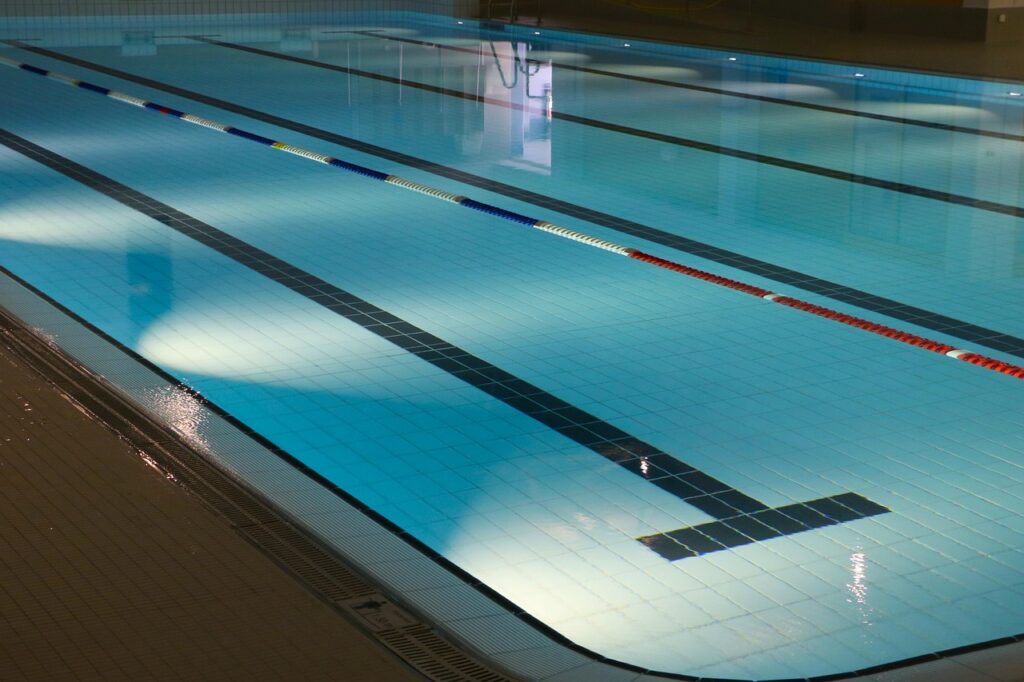
Water exercise covers a wide range of activity: lap swimming, walking or jogging in chest-deep water, and instructor-led pool classes. Each one can raise your heart rate, work your muscles against resistance and take much of the jarring out of movement. This guide covers what the research says about swimming and health, where water exercise shines, the one gap it leaves, and how to start safely even if you have not swum in decades.
Why water exercise suits so many bodies
Two properties of water do most of the work. Buoyancy carries part of your body weight, which takes stress off the hips, knees and spine and lets stiff joints move more freely. At the same time, water pushes back against every movement, so it acts as a built-in source of resistance that can help build muscle strength, according to guidance from the University of Washington’s orthopaedics department, adapted from Arthritis Foundation material.
That combination is unusual. On land, the activities that challenge your heart most tend to pound your joints, and the gentle ones may barely raise your pulse. In the pool, you can work hard with less impact, and you can make the effort easier in an instant by slowing down. The CDC also notes that people report enjoying water-based exercise more than exercising on land, which matters more than it sounds: the workout you look forward to is the one you keep doing.
What the research says about swimming and long-term health
One of the most cited studies on specific sports followed 80,306 British adults for an average of about nine years. Compared with people who did not take part in the activity, swimmers had a 28 percent lower risk of dying from any cause and a 41 percent lower risk of dying from cardiovascular disease, according to the report by Pekka Oja and colleagues in the British Journal of Sports Medicine in 2017. The authors concluded that participation in specific sports may have significant benefits for public health.
Those numbers come from an observational study, so they show an association rather than proof that swimming itself caused the lower risk. People who swim regularly may differ from non-swimmers in income, overall health or other habits. Still, the findings fit with what the CDC describes: water-based exercise can improve health for people living with chronic illnesses such as diabetes, heart disease and arthritis, and for older adults it can improve quality of life and decrease disability.
Pool workouts also count toward your weekly activity target. The CDC lists water aerobics as moderate-intensity activity and swimming laps as vigorous, and adults are advised to get 150 minutes of moderate or 75 minutes of vigorous activity a week. If you are still building that foundation, our weekly exercise blueprint shows how pool sessions can fit alongside walking and strength work.
Water exercise for achy joints and arthritis
For people with hip or knee osteoarthritis, the evidence is encouraging and also realistic. A Cochrane review led by Else Marie Bartels pooled 13 trials with 1,190 participants, mostly women with an average age of 68. After programs of up to 12 weeks, people who did aquatic exercise rated their pain and disability about 5 points lower on a 100-point scale and their quality of life about 7 points higher than those who did not, with moderate-quality evidence and no serious side effects reported, according to Cochrane.
Those are modest improvements, not a cure, and the review’s lead author described the likely effect as a slight improvement in pain and disability right after a course of training. For many readers that is exactly the point. A pool session can be the bridge that keeps you moving on days when land exercise feels like too much, while you build the strength that supports your joints over the long run. Our guide to exercise for arthritis covers how to combine water work with land-based strength and flexibility.
Temperature matters for comfort. The University of Washington guidance notes that pool water between 83 and 88 degrees Fahrenheit is usually comfortable for exercise, and that very hot water is neither safe nor needed. Warm-water pools at community centers and physical therapy clinics are often set up for exactly this kind of gentle work.
The one gap the pool leaves: your bones
The same buoyancy that spares your joints also spares your skeleton, and bones respond to load. A systematic review by Alejandro Gómez-Bruton and colleagues in PLoS ONE in 2013 found that most studies showed similar bone mineral density in swimmers and sedentary people, and lower density in swimmers than in athletes from high-impact sports. The authors concluded that swimming does not appear to harm bone, but it may not be one of the best activities for building it.
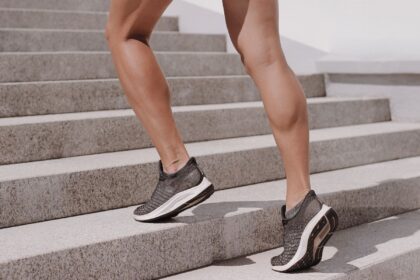
The practical answer is not to skip the pool. It is to pair it with activities that load your skeleton: strength training at least twice a week and, if your joints allow, brisk walking, stair climbing or other weight-bearing movement. Our article on exercise for bone density explains what kinds of loading work best.
How to start: three ways into the water
You do not need to be a strong swimmer to benefit. Many of the best options keep your feet on the pool floor. Choose the entry point that matches your skills and goals, then build from there.
| Option | What it involves | Good for | How to progress |
|---|---|---|---|
| Water walking | Walking forward, backward and sideways in waist- to chest-deep water | Beginners, stiff joints, returning after a layoff | Walk faster, take longer strides, add arm sweeps |
| Water aerobics class | Instructor-led moves set to music, often with foam weights or noodles | Company, structure and a full-body session | Push harder against the water, move to a deeper or faster class |
| Lap swimming | Continuous swimming with rests at the wall | Building endurance and a strong heart | Add a length per set, shorten rests, mix in faster lengths |
For lap swimming, start with short repeats rather than trying to swim nonstop. Swim one or two lengths, rest at the wall until your breathing settles, and repeat for 15 to 20 minutes. A kickboard lets you work your legs while your upper body rests, and a pull buoy does the opposite. Over several weeks, aim to swim longer stretches with shorter breaks. If your stroke feels inefficient or you fight the water, a few adult lessons can make every session easier and more enjoyable.
Whichever option you choose, warm up with a few minutes of easy walking or slow swimming, and finish with a gentle cool-down. Watch how your joints feel over the next day. Mild muscle fatigue is normal; more swelling, stiffness or pain is a signal to ease back.
Staying safe in and around the pool
Water exercise is low risk for most people, but water itself deserves respect. The CDC’s drowning prevention guidance offers several habits worth adopting:
- Swim with a buddy, and choose pools or beaches with lifeguards when you can.
- Consider formal swimming lessons if your skills are shaky; the CDC notes that lessons can reduce the risk of drowning.
- Avoid alcohol before or during swimming.
- Stay out of the water if a medication affects your balance, coordination or judgment.
- Do not hyperventilate or hold your breath underwater for long stretches, which can cause a blackout.
Check with your doctor before starting a new program if you have heart or lung disease, circulation or blood pressure problems, diabetes, or a recent surgery or open wound. Leave the water if you feel lightheaded or nauseated. Pool decks are slippery, so walk carefully, use the handrails on steps and ladders, and wear water shoes if your footing feels uncertain.
YOUR FIRST TWO WEEKS
A simple pool starter plan
- Find a pool with lifeguards and check its lap swim and class schedule.
- Week one: two sessions of 20 minutes of water walking or a beginner class.
- Week two: add a third session, or try a few lengths of easy swimming with rests at the wall.
- Keep two land-based strength sessions in your week to look after your bones.
- Note how your joints feel the next morning and adjust the plan from there.
SOURCES AND FURTHER READING
Cochrane · Featured review: Aquatic exercise for the treatment of knee and hip osteoarthritis · 2016
Centers for Disease Control and Prevention · Swimming and Your Health
Centers for Disease Control and Prevention · Preventing Drowning
UW Medicine Orthopaedics and Sports Medicine · Water Exercises
Centers for Disease Control and Prevention · What Counts as Physical Activity for Adults
This article is for general information and is not a substitute for personal medical advice.
Are you a fitness or wellness professional with a member journey to share?